

FAMILY. FOOD. HERITAGE.
ABOUT THE BASQUE MARKET
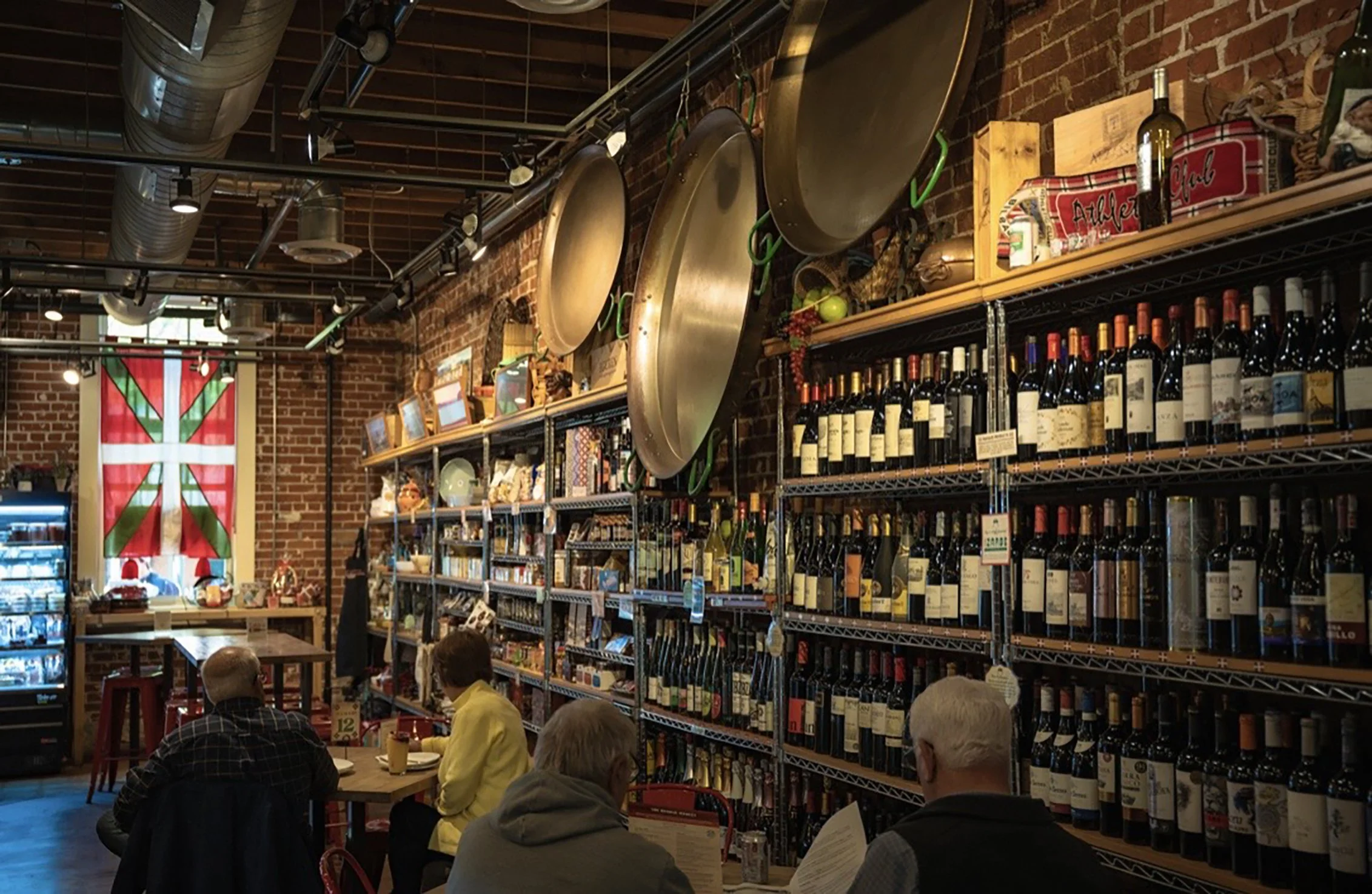
Established in December 2000, The Basque Market sits in the heart of the Basque Block; Boise's historic stretch of Grove Street and one of the most significant Basque cultural districts outside of Spain. For more than two decades, we've poured wine, plated pintxos, served paella, and welcomed neighbors, travelers, and curious first-timers through our doors.
But calling us a "market" only tells part of the story.
Yes, we're a market, stocked with imported wines, cheeses, olive oils, chorizo, pantry staples, and ceramics sourced from the Basque Country and beyond. We're also a restaurant, serving up traditional pintxos, paella nights that have become a Boise institution, and lunch specials that regulars order without needing a menu.
We're a gathering place, where wedding rehearsals, birthday celebrations, first dates, and lifelong friendships unfold over shared plates and a glass of Txakoli. We're a classroom, hosting cooking demos and wine tastings that pass our culture forward, one guest at a time. And above all, we're family — a small, tight-knit one — committed to keeping Basque tradition alive and making everyone who walks in feel like they've been here a hundred times before.
If you've never visited the Basque Block, let us be your introduction. If you've been coming for years, ongi etorri — welcome!
MEET THE EIGUREN FAMILY
Three Generations on the Basque Block
The Basque Market has been owned and operated by Tony and Tara Eiguren since July 2006. Together, this husband-and-wife team bring decades of combined kitchen experience to every plate that leaves our kitchen.
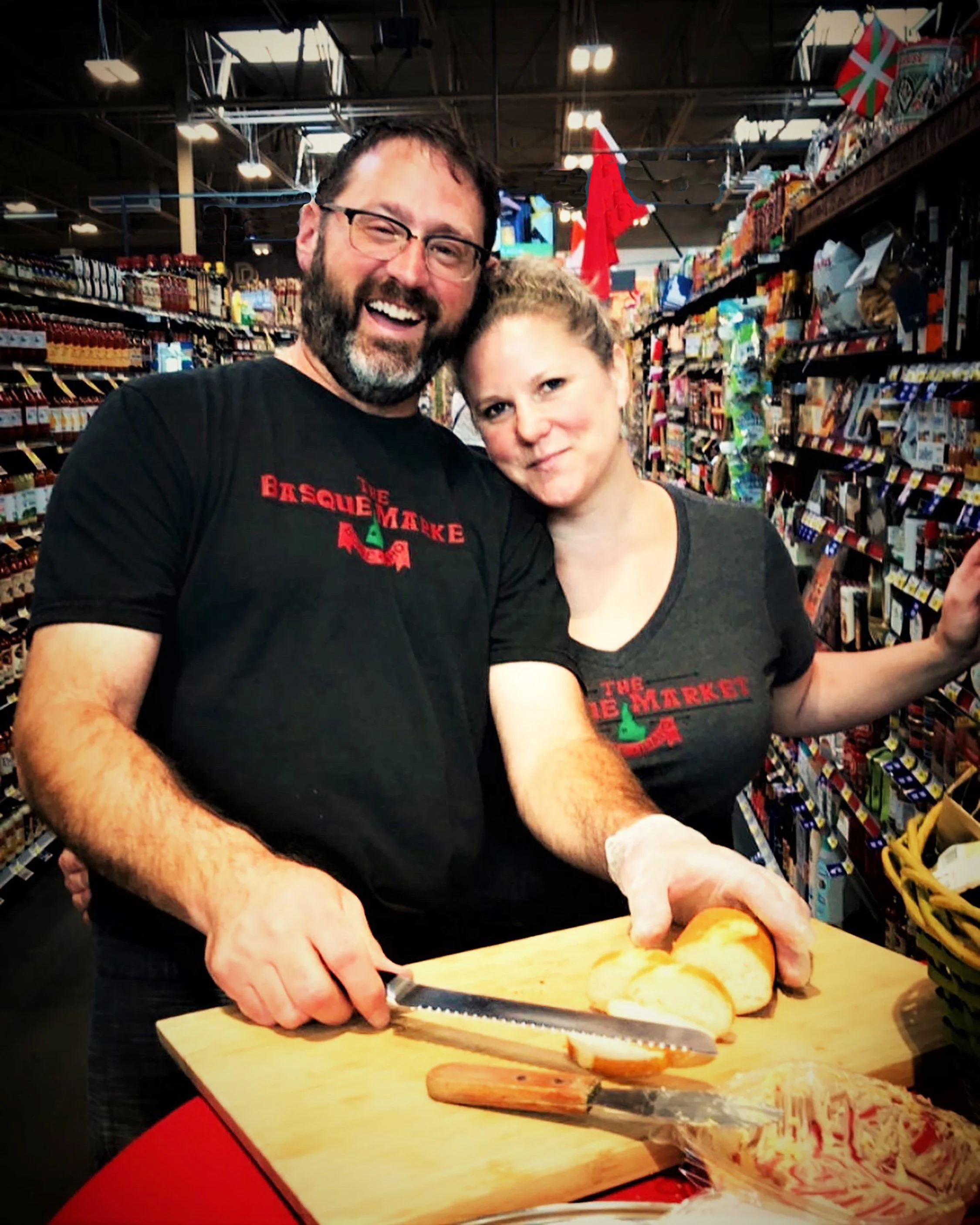
Tony is the Basque side of the partnership. Born into the culture, raised on the food, and shaped by generations of family who carried these traditions from the old country to Idaho. His heritage isn't a brand. It's a birthright, and every recipe on our menu reflects it.
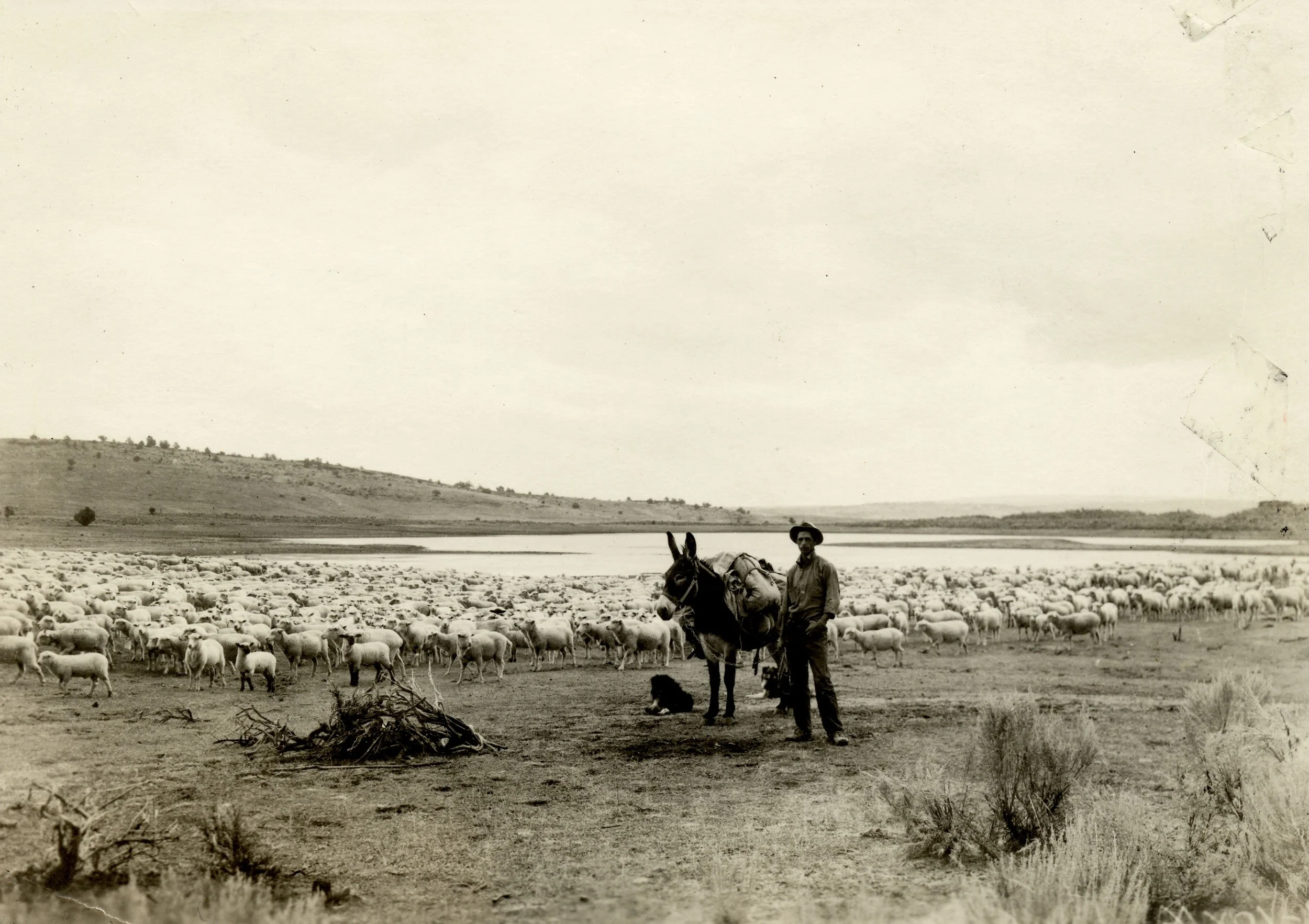
The Eiguren name has deep roots in the Basque-American story. From the high desert ranches of Jordan Valley to the Basque Block in downtown Boise, Eigurens have been part of the fabric of Idaho's Basque community for more than a century. Among them was Tony’s Grandfather who first arrived when he was 16 years old, and after only two days of American schooling he was responsible for herding 2,000 sheep from Jordan Valley to Winnemucca and back. Tony grew up inside that legacy. The recipes he cooks today were passed down through that same network of family, ranches, kitchens, and ostatuak that built Basque Idaho in the first place.
Tara is the passion side. A self-taught cook who fell in love with the food first and the family second (or maybe the other way around, depending on who you ask). Her instinct for flavor, hospitality, and the small details that turn a meal into a memory shapes everything we do, from the way the paella pans hang in the market to the way our guests are greeted at the door.
And then there's Itxaso, their daughter, raised at the Market, on the Market, and by the Market. She grew up greeting guests, learning to make Tortilla Española before she could drive, and watching her parents build a business that has become woven into the fabric of downtown Boise. These days, you'll find her in the kitchen most days. One day, The Basque Market will be hers, and the tradition will continue, just as it always has, from one generation to the next.
Our Staff
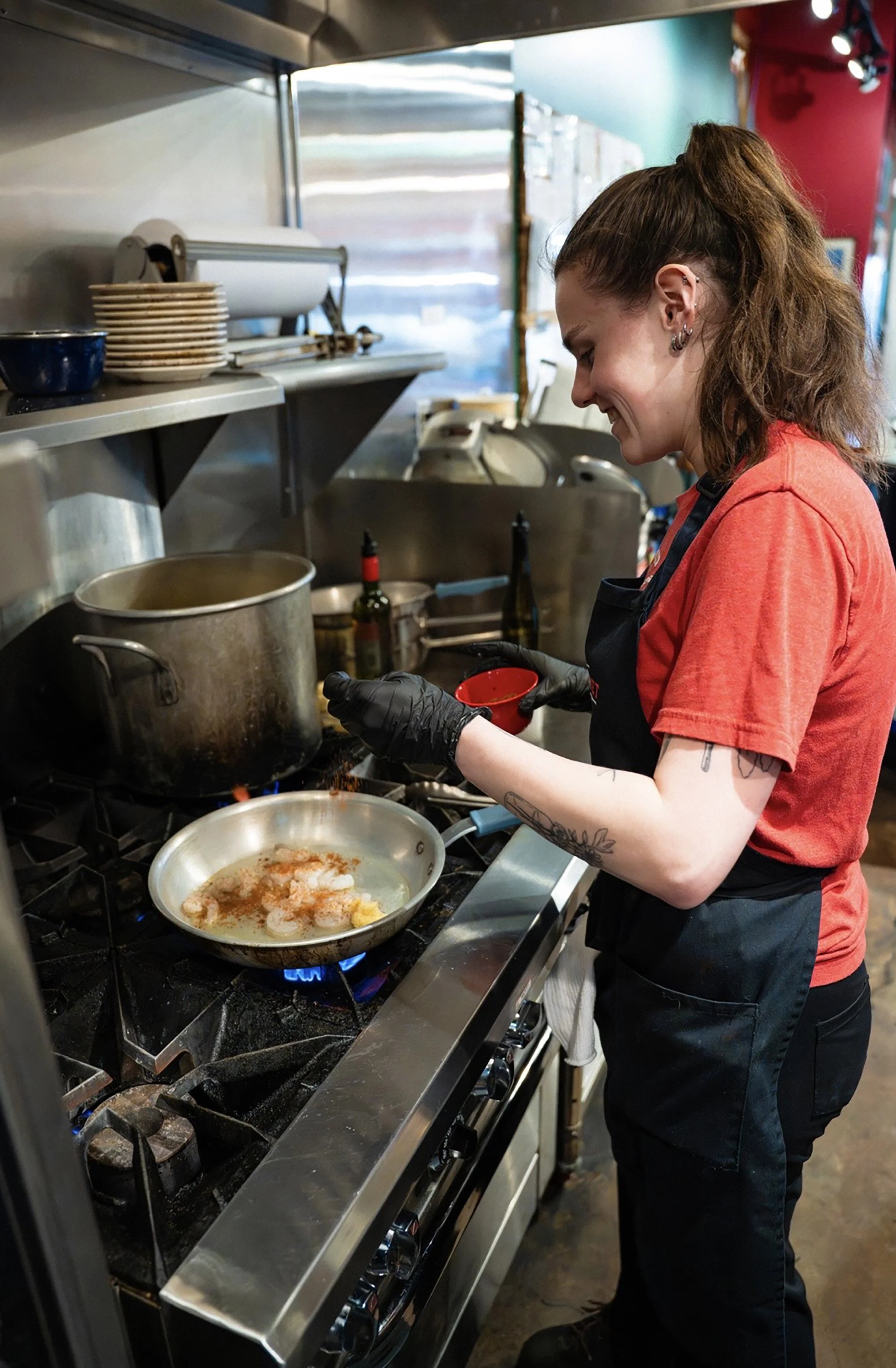
The Basque Market is proud to be staffed by a small but mighty team; dedicated, knowledgeable, and genuinely happy you walked in. Some of our team members carry Basque heritage of their own. Others don't, but every one of them shares a deep love for the culture, the food, and the people who make this place what it is. Staff members who have been with us for a while take it a step further: we take them on an educational trip to the Basque Country, where they eat, drink, and walk the streets that inspired our menu. They come home with stories, photographs, a few new favorite recipes, and a much deeper understanding of why we do what we do.
A BRIEF HISTORY OF BASQUES IN BOISE, ID
To understand The Basque Market, it helps to understand the community that built the block we stand on.
Boise is home to one of the largest and most concentrated Basque populations anywhere outside the Basque Country itself. For a region tucked between the Pyrenees Mountains of northern Spain and southern France (a place with its own ancient language, its own flag, and a cultural identity that predates most of modern Europe) to have planted such deep roots in southern Idaho is, frankly, remarkable.
WHY THEY CAME
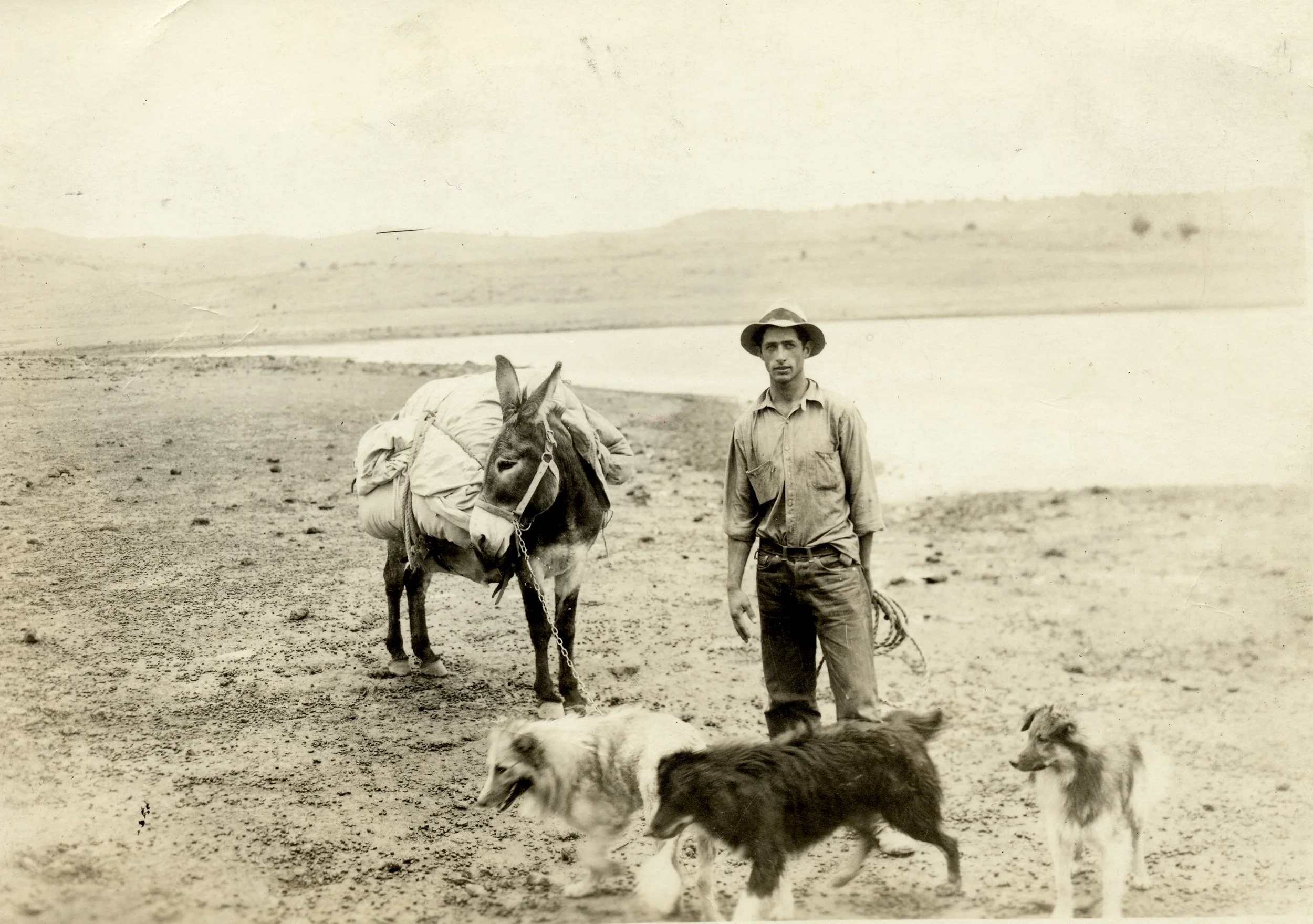
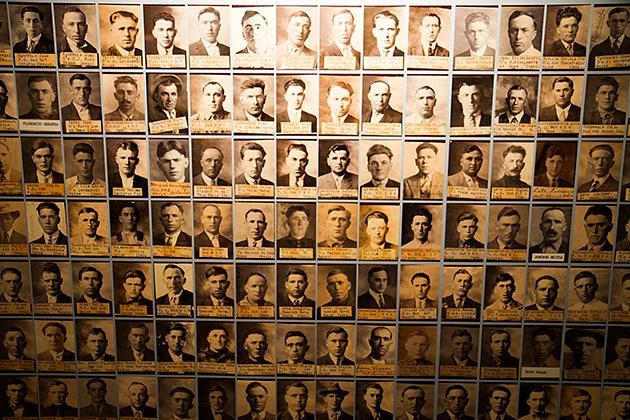
The first Basques arrived in Idaho in the late 1800s, drawn west by silver and gold strikes in places like Silver City and DeLamar. Mining didn't suit most of them for long. What did appeal to them were sheep herding contracts (often three years long, with a herder returning home to the Basque Country afterward with his savings) allowing a generation of young men to make a foothold in America. By 1918, sheep in Idaho outnumbered people six to one, and many of the men following those flocks across the Owyhees and the Sawtooths were Basque.
A second major wave arrived during and after the dictatorship of Francisco Franco (1939–1975), when political and economic pressure in Spain pushed another generation of Basques westward. Many landed in Boise because someone (a cousin, a neighbor from the old village, a friend of a friend) was already here.
THE BOARDING HOUSES (Ostatuak) OF GROVE STREET
Sheepherding was solitary, brutal work. A herder might spend months alone in the mountains with only his dogs and his flock for company. So when herders came back to town to resupply, recover, or wait out the winter, they came to the ostatuak — Basque boarding houses concentrated along what is now The Basque Block of Grove Street.
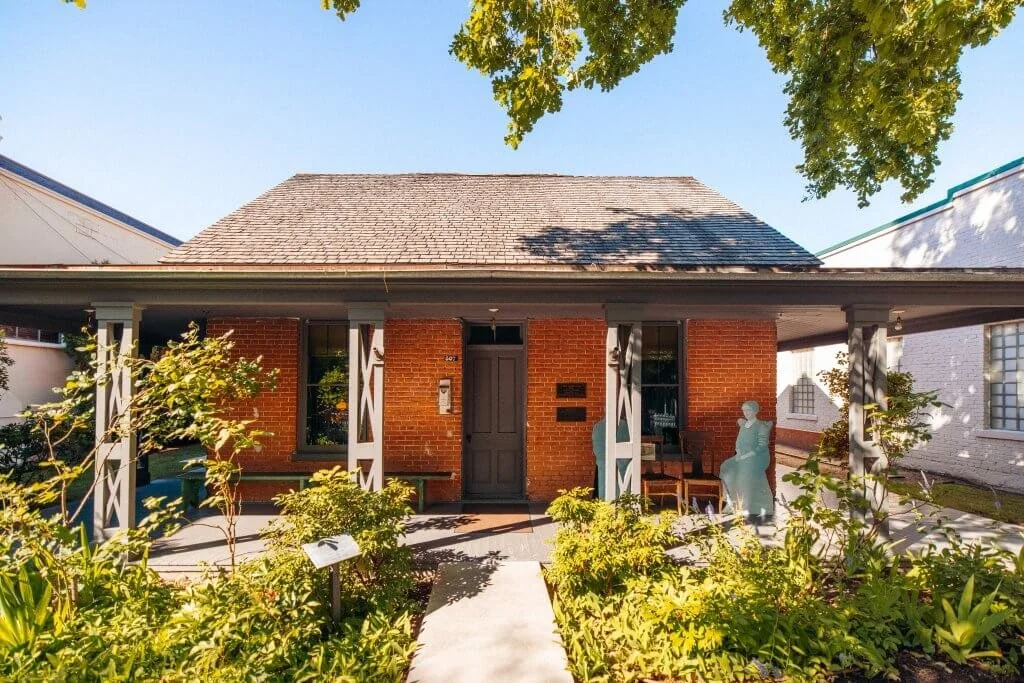
New arrivals from the Basque Country, often speaking no English, would land at an ostatuak and find a bed, a hot meal, a job lead, and a community waiting. The houses were where Basque was spoken at the dinner table, where children were raised, where weddings were celebrated, and where the jota was danced late into the night.
One of those houses still stands at 607 Grove Street, visible from our patio. Today it's part of the Basque Museum & Cultural Center, and you can tour the very rooms where generations of new Idahoans first set down their suitcases.
THE BOISE BASQUE BLOCK
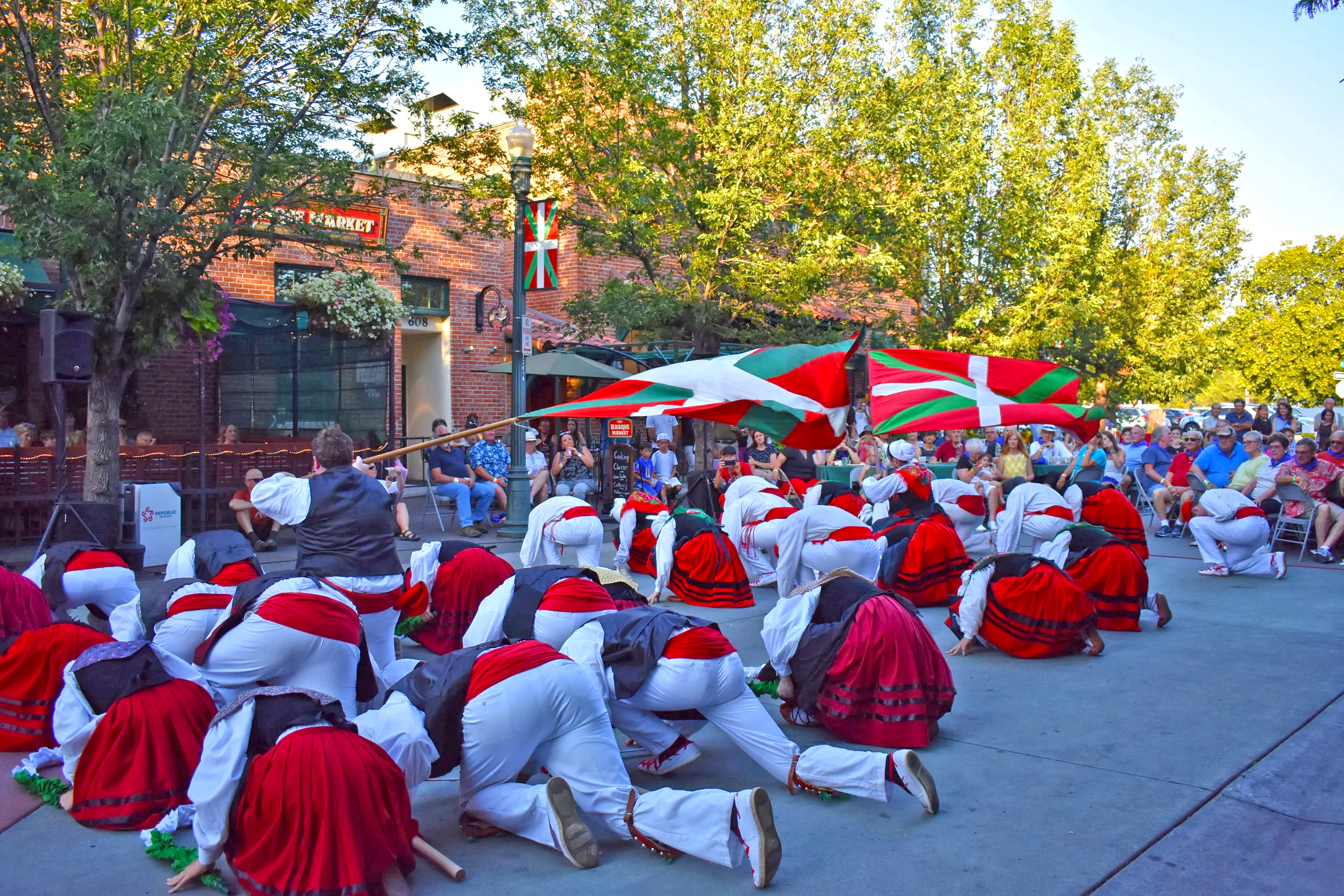
By the 1950s, the sheep industry was contracting, second-generation Basques were earning college degrees, English was becoming a first language, and the boarding houses were closing one by one. The culture could have faded quietly here — many immigrant cultures in America did. Instead, Boise's Basque community did the opposite. They built a museum. They started a fronton (a traditional handball court). They opened restaurants. They taught their kids to dance the jota and speak Euskara, the Basque language, said to be one of the oldest spoken languages in Europe.
In 2000 — the same year The Basque Market opened its doors — the City of Boise officially designated this stretch of Grove Street as the Basque Block, recognizing what was already true: this single city block holds more concentrated Basque culture than any other piece of ground in the United States. Learn more about the Basque Block.